

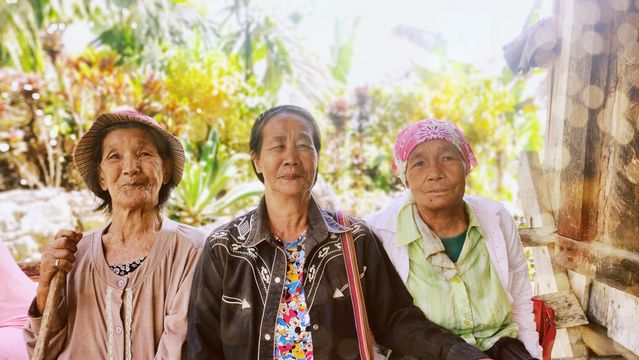
Humans are fundamentally social creatures, yet many people find themselves becoming more isolated as they grow older. This shift can happen for various reasons. Retirement changes daily routines, physical mobility may become more limited, and loved ones may relocate. The effects of isolation extend far beyond loneliness and can influence both emotional and physical well-being. Understanding why social connection remains important throughout later life can help older adults and their families make choices that support a fulfilling and meaningful lifestyle.
The Mental Health Impact of Social Engagement
Social connection plays an important role in supporting cognitive function and emotional well-being as people age. When older adults engage regularly with friends, family, and community members, they often experience lower rates of depression and anxiety than those who spend much of their time alone. Conversations stimulate several areas of the brain at once, encouraging memory recall, active listening, problem-solving, and communication skills.
For example, discussing current events, sharing personal stories, or participating in board games can help keep the mind engaged. These interactions encourage residents to exchange ideas, learn from one another, and remain involved in the world around them.
Researchers have linked loneliness among older adults to a greater risk of cognitive decline. The brain benefits from the stimulation that social interaction provides, much like the body benefits from regular movement. Meaningful conversations and supportive relationships help foster a sense of purpose and belonging. Older adults who maintain strong social connections often report greater life satisfaction and increased emotional resilience during challenging periods.
Physical Health Benefits of Staying Connected
The relationship between social connection and physical health is significant. People with strong social networks frequently experience lower stress levels and better overall health than those who are isolated. Feeling connected and supported can positively influence how the body responds to everyday challenges.
Regular social interaction can also encourage healthier habits. Older adults who participate in community programs or spend time with friends are often more likely to remain consistent with wellness routines, attend health appointments, and engage in regular physical movement.
Research involving aging populations has suggested that socially connected older adults may recover more effectively from illness and experience better overall wellness outcomes. Positive social relationships can encourage individuals to seek assistance when needed and maintain habits that support long-term well-being. Strong social networks act as an important source of encouragement, accountability, and emotional support.
Creating and Maintaining Social Connections
Building meaningful relationships often requires intention, but the benefits can be substantial. Older adults can develop new friendships through volunteer opportunities, hobby groups, educational classes, spiritual communities, or local events.
For seniors who appreciate an environment where social engagement is naturally incorporated into daily life, The Palms at Bonaventure offers assisted living services that support meaningful connections through organized programs, shared dining experiences, and welcoming community spaces.
Technology can also help maintain relationships with loved ones who live far away. Video calls, messaging platforms, and social media make it easier for grandparents to stay connected with family members and friends across long distances. While digital communication is valuable, it is often most effective when combined with in-person interaction whenever possible.
The Role of Family and Intergenerational Connection
Family relationships provide an important foundation for social connection. Intergenerational relationships, in particular, offer benefits for both older adults and younger family members.
When grandparents spend time with grandchildren, everyone involved can gain something meaningful from the experience. Younger generations learn about family history, traditions, and life experiences, while older adults enjoy opportunities for engagement, conversation, and shared experiences.
Regular family gatherings, celebrations, and visits help strengthen bonds and create lasting memories. These connections can provide comfort, encouragement, and a sense of continuity throughout different life stages.
Family involvement can also offer practical support when needed. Adult children and relatives who maintain regular communication are often better able to recognize changes in a loved one’s needs and provide assistance when appropriate. Equally important, these relationships reinforce the message that older adults continue to play valued and meaningful roles within their families and communities.
Overcoming Barriers to Social Connection
Many older adults face obstacles that can make maintaining social relationships more difficult. Transportation challenges, hearing or vision changes, mobility concerns, and the loss of longtime friends can all contribute to isolation.
Recognizing these challenges is the first step toward finding solutions. Accessible transportation options, community programs, and communication technologies can help residents remain engaged and connected. Hearing and vision support devices may also improve communication and make social interactions more enjoyable.
The loss of friends and peers can be particularly difficult, but it can also create opportunities to develop new relationships and deepen existing ones. Support groups, volunteer opportunities, educational programs, and community events can provide valuable ways to meet others with shared experiences and interests.
Many senior communities also offer programs designed to foster connection, including resident ambassador programs, group outings, discussion groups, and social gatherings. These opportunities help create a welcoming environment where relationships can develop naturally over time.
Conclusion
Social connection is one of the most important contributors to overall well-being as people age. Meaningful relationships support emotional health, encourage healthy habits, and provide a sense of belonging and purpose. While maintaining social connections may require intention and effort, the benefits can be far-reaching. By nurturing relationships with family, friends, neighbors, and community members, older adults can continue to enjoy fulfilling experiences and meaningful engagement throughout later life. Strong social connections enrich everyday living and help create a greater sense of purpose, connection, and joy at every stage of aging.