

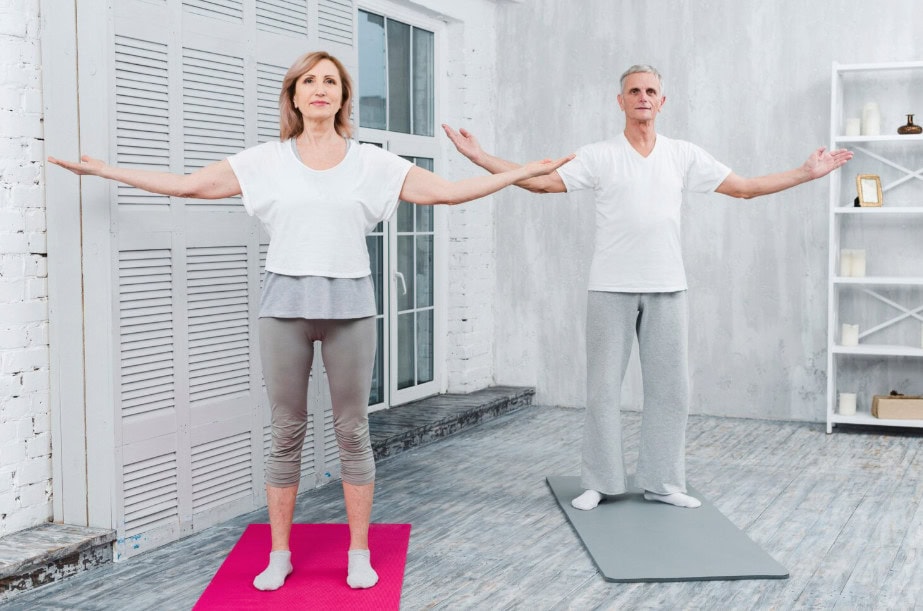
You know that sound when you bend down to pick up the remote and something inside goes *crack*? Yeah, that’s not your back telling you to retire. It’s a wee wake-up call about your flexibility. And if you’re over forty, that call’s getting louder each year. The strange bit? Most folks ignore it until they pull a muscle doing something daft, like sneezing too hard or reaching for a tin of beans on the top shelf.
Here’s the thing about flexibility: it’s not just about being able to show off at a yoga class or touch your toes for a party trick. It’s the quiet force that keeps you moving like a human instead of a rusty gate. When you’re young, you take it for granted. You twist, bend, lunge, and recover without a second thought. Then ageing strolls in, and suddenly your hamstrings feel like old rope and your hips complain after a long car ride.
So what’s actually going on under the hood? Why does flexibility fade as the candles on your cake multiply?
What Actually Happens to Your Body Over Time
Your muscles aren’t just elastic bands that stay stretchy forever. They’re living tissues, full of fibres that slide past each other when you move. With age, those fibres lose a bit of water content. They get stiffer, less pliable, and more prone to holding tension. The connective tissue around them, your fascia, starts to bind down like cling wrap that’s been left in the sun. It’s not that you’re broken. It’s just that the maintenance schedule changed.
On top of that, your joints lose a smidge of lubrication. The cartilage wears down, the synovial fluid thins out, and the range of motion shrinks. You might notice it most in the shoulders or the hips. That overhead reach you used to do without blinking? Now it feels like trying to wave at someone across the road while wearing a wetsuit.
Neurologically, there’s another layer. Your nervous system gets a bit protective. After years of small injuries, bad posture, or just repetitive movement patterns, your brain decides, “Let’s not go there anymore.” It puts the brakes on certain ranges to keep you “safe.” The result? You lose flexibility not just in the tissue but in the wiring. That’s why stretching alone often isn’t enough. You’ve got to retrain the brain to trust that deep squat again.
The Hidden Link Between Flexibility and Your Everyday Life
Picture this (wait, I’m not supposed to say that). Let me rephrase. Take a moment to watch someone in their seventies get out of a low chair. If they’ve kept their flexibility, it’s a smooth, effortless rise. If they haven’t, it’s a whole manoeuvre involving armrests, rocking, and a grunt that sounds like a diesel engine starting. That’s not just a matter of strength. It’s about having the range in your ankles, knees, and hips to actually get up.
Flexibility is your insurance policy for independence. It’s what lets you carry the groceries without wrenching your shoulder. It’s what allows you to chase a grandkid across the park without waking up the next day feeling like you’ve been in a car crash. And, crucially, it helps with balance. Stiff people fall. Loose people slip and recover. That’s the difference between a stumble and a hospital visit.
In Australia, where the sun insists you spend half your life outdoors, flexibility matters even more. Think about all the beach volleyball, weekend cricket, or just walking along uneven bush trails. Our bodies are built for that. But if you don’t maintain the moving parts, you’ll be watching from the esplanade bench instead of joining in.
More Than Just Touching Your Toes: Surprising Perks
Here’s a fun one. Flexibility isn’t only about the physical. There’s a growing pile of research suggesting that tight hips and stiff spines can mess with your mood. Not directly, but through the nervous system. Chronic tension sends little stress signals to your brain. Conversely, opening up your chest or loosening your lower back gives you a sense of ease that’s hard to fake.
Ever noticed how a good stretch after a long day feels better than a glass of wine? That’s the body releasing pressure, literally. When you stretch, you stimulate the vagus nerve, which helps flick the “rest and digest” switch. You breathe deeper, your heart rate settles, and that knotted feeling in your stomach starts to unravel. So flexibility isn’t just for athletes or yogis. It’s for anyone who wants to feel less cranky and more like themselves.
There’s also the circulation angle. Flexible muscles don’t compress your blood vessels as much. That means better blood flow to your brain, your organs, and even your skin. Some folks swear they feel more alert after a morning stretch routine. That’s not wishful thinking. It’s the oxygen getting around.
An Aussie Guide to Getting Started (without the fuss)
Right, so you’re convinced. You want to do something about your creaky joints and tight back. But let’s be honest, most stretching advice feels like it was written for gym robots. Not here. We’re going to keep it practical, mate.
First off, you don’t need to sit cross-legged on a cold floor for an hour. You don’t need to become a pretzel. You need to show up for ten minutes a day, maybe three times a week to start. Consistency beats intensity when it comes to flexibility. A daily gentle stretch is worth far more than a bi-weekly hour of contortion.
If you’re starting from scratch, think about your main problem areas. For most Australians over forty, that’s the hamstrings, hips, and lower back. Desk jobs, long drives, and that never-ending dip into the fridge for a cold one all do a number on those zones. Pick two or three stretches that target them. Hold each for about thirty seconds. Breathe, don’t bounce. That’s it.
Now, about the gear. You don’t need fancy equipment, but a good surface helps. A slippery floor is a recipe for sliding around like a startled seal. So grab one of those grippy yoga mats from an Aussie maker if you want to keep your feet planted while you work through the moves. A decent mat gives you traction, stops you from skidding, and makes those floor stretches feel ten times more comfortable. It’s a small thing that makes a big difference when you’re trying to relax into a pose instead of fighting the carpet.
Simple Moves That Actually Work
Try the lying hamstring stretch. Lie on your back, lift one leg up, hook a towel around your foot, and gently pull. You’ll feel the back of your thigh wake up. Don’t yank. Let gravity do the work.
For the hips, try the pigeon pose, but don’t be a hero. If it’s too much, do it on a chair with one ankle crossed over the other knee. Lean forward and feel the stretch in your glute. That’s your tight bum saying thanks.
For the lower back, a simple child’s pose works wonders. Kneel, sit back on your heels, and outstretch your arms on the floor. Let your forehead rest down. Breathe into the space between your ribs and hips. It’s the closest thing to a reset button.
When to Push and When to Chill
Here’s the trap. A lot of people think flexibility means forcing yourself into painful positions. Wrong move. Pain is your body screaming at you to stop. A stretch should feel like a strong pull, not a knife stab. If it hurts, back off a little. Breathing is your guide. If you can’t breathe deeply, you’re overdoing it. Ease up and find a softer angle.
Also, don’t stretch cold muscles. A quick five-minute walk around the block or a hot shower before you stretch will get the blood moving. That old “no pain, no gain” motto doesn’t belong here. Think “gentle persistence” instead. You’ll get there faster, trust me.
And listen, life gets busy. You’ll miss days. You’ll forget. That’s fine. The beauty of flexibility is that it never completely abandons you. A week off might stiffen you up, but a quick session brings most of it back. The key is to treat it like brushing your teeth, not like training for the Olympics. Just make it a habit, and your future self will be able to tie their shoes without swearing.
So next time you catch yourself groaning while standing up from the sofa, don’t ignore it. That groan is a hint. Your body’s asking for a little more range. Give it ten minutes, a bit of patience, and a decent surface to work on. Your golden years are meant to be lived, not spent creaking and carrying on. Stay loose, stay mobile, and you’ll keep doing all the things you love, from fishing trips to backyard cricket. That’s the real win.