

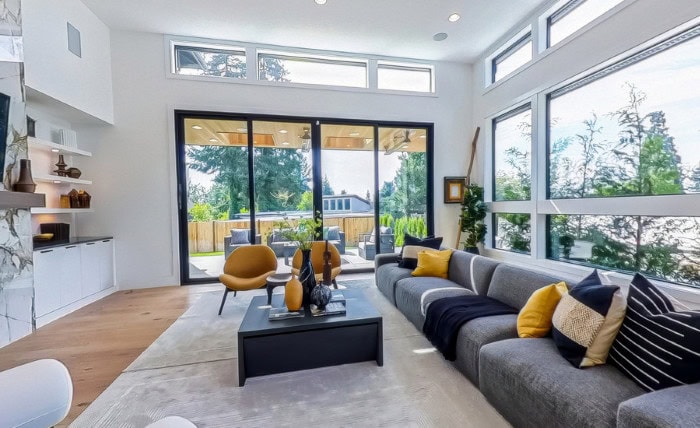
When people talk about home design in Australia, the conversation usually circles back to one thing pretty quickly: the weather. Fair enough too. From sticky summer afternoons in Brisbane to crisp mornings in Melbourne, and that dry heat that seems to sit over parts of Western Australia like a stubborn old blanket, the climate has a habit of shaping the way homes feel and function.
That is where outdoor-indoor flow comes into its own. It is not just a trendy design phrase people toss around at open homes while holding a flat white. It is a practical way of living that suits the Australian lifestyle rather neatly. A house that opens up to the garden, catches a breeze, and lets people drift easily from kitchen to alfresco area feels more relaxed. Less stiff. Less like a museum, more like somewhere people actually live.
There is also a certain honesty to it. Australians tend to value space that works hard without acting like it is doing a song and dance. A home that connects indoors and outdoors well can make a smaller block feel larger, and a bigger block feel far more welcoming. It is a neat trick, really, and one that has become part of the local design language from Perth to the Sunshine Coast.
Designing for heat, shade and airflow
Australian climate asks a lot from a house. Sun can be glorious, but it can also roast a room by lunchtime if the design is careless. Good flow starts with controlling that heat before it becomes a nuisance. Wide eaves, shaded patios, louvred windows and sliding or folding doors all help soften the shift between inside and out.
Airflow matters just as much. A home that catches natural breezes feels calmer and less reliant on air conditioning, which is good news for comfort and the power bill. Cross-ventilation is one of those old-school ideas that still earns its keep. Positioning windows and openings so air can move through the house gives rooms a lighter, fresher feel. It is a simple idea, but simple often wins the race.
In hotter parts of the country, shaded outdoor spaces become almost an extra room. A covered verandah, pergola or deck can turn into the spot where breakfast happens, where a work laptop ends up on a mild afternoon, or where everyone somehow gathers after sunset. Funny how that works. The best spaces always seem to attract people without trying too hard.
Connecting the kitchen, living space and alfresco area
The heart of outdoor-indoor flow usually sits in the middle of the home, not the edges. Kitchens and living zones are the spaces most likely to connect to outdoor areas, and the transition needs to feel easy. No awkward step-downs, no fussy barriers, no strange layout that makes carrying a tray of food feel like a gym test.
Open-plan living is popular for a reason. When the kitchen, dining and lounge areas link directly to an outdoor terrace or deck, daily life becomes more flexible. A family can cook while keeping an eye on children outside. Guests can drift between spaces without feeling boxed in. Even a quiet night in feels better when the doors are open to the scent of jasmine or the sound of evening birds.
Midway through planning, many people browse home designs to see how others have handled this balance. That is usually where the lightbulb moment lands. A clever layout often makes the difference between a home that merely has an outdoor area and one that genuinely lives through it.
Materials that cope with Australian conditions
The Australian climate is not gentle on materials, so the choice of finishes matters. Timber can look beautiful, but it needs the right treatment if it is going to cope with sun, rain and temperature swings. Stone, concrete, aluminium and quality composite products often hold up well in exposed areas. They also carry that clean, grounded look many Australian homes wear so well.
Flooring deserves special attention too. If the indoor surface runs visually into the outdoor zone, the whole home feels more open. Large-format tiles, polished concrete and timber-look finishes can help blur the boundary in a way that feels natural rather than forced. The aim is not to erase the line completely. It is to make the line feel soft.
In coastal regions, salt air can be a bit of a troublemaker. In inland areas, dust and heat take their turn. Either way, materials need to be tough, low-maintenance and suited to local conditions. A glossy finish that looks brilliant in a display home might start grumbling after one summer in the real world. That is the Australian test: looks nice, yes, but can it survive January?
Regional design choices across Australia
What works in one part of Australia may feel a bit off in another, and that is part of the fun. In Queensland, homes often lean towards deep verandahs, shaded decks and wide openings that invite breezes through. In Victoria and Tasmania, more emphasis may fall on capturing sun in cooler months, while still keeping a strong link to the garden.
In South Australia and the inland areas, homes tend to value thermal comfort and shade with a little more urgency. In Western Australia, that indoor-outdoor balance often comes with an appreciation for long summer evenings and spaces that can handle strong light without fading into submission. New South Wales, especially around Sydney and the coastal belts, often blends all of these ideas, with a clear love of entertaining outdoors.
There is no single recipe, which is probably why Australian residential design keeps evolving. The best homes respond to their patch of land, their local weather and the way people actually use them. A family in Adelaide may want a sun-trapping courtyard. A couple in Cairns might prefer breezy open edges and shaded retreat spaces. Same country, very different needs.
Small details that make a big difference
Sometimes the smallest design choices do the heaviest lifting. Ceiling fans in the right places. Screens that keep insects out without killing the view. Door tracks that are flush enough to avoid tripping over them with a laundry basket or a plate of sausages at a weekend barbecue. Those little things matter more than people expect.
Lighting is another one. Outdoor spaces that feel warm and inviting after dark are used far more often. Soft wall lights, step lights and subtle under-bench lighting can make a deck or courtyard feel like an extension of the home rather than a bit of leftover yard attached at the back.
Planting can help too. Native species often fit beautifully with Australian climate-responsive design. They usually need less water, suit the local look, and bring in birds without demanding much fuss. Grevilleas, lilly pillys, lomandras and other hardy plants can frame an outdoor area nicely while keeping maintenance sane. Nobody wants a garden that behaves like a second job.
Outdoor living that actually gets used
A lovely outdoor area is one thing. A genuinely useful one is another. The best outdoor-indoor flow makes outdoor spaces part of ordinary life, not just something saved for special occasions or Christmas lunch. If the barbecue zone sits near the kitchen, if the kids can run in and out without chaos, if the adults can sit in shade with a drink while still feeling connected to the house, then the design is doing its job.
That ease of use suits the Australian way of life rather neatly. There is a strong social streak in home culture here, whether that means a quiet family dinner on the deck or a long Sunday catch-up that somehow stretches into the evening. Homes that support that rhythm tend to feel warm, welcoming and lived in, which is really what most people want.
Outdoor-indoor flow is not a luxury reserved for giant blocks or architect-built showpieces. It can be adapted to compact suburban homes, narrow lots and regional builds too. Once the layout, materials and climate response work together, the result feels natural, almost obvious. The kind of obvious that only appears after plenty of careful thought, which is usually how the good stuff goes.
Bringing it all together
Australian climate can be demanding, but it also offers a generous lifestyle when homes are designed with care. A house that handles sun, shade, airflow and outdoor connection well tends to feel more comfortable all year round. It also feels more human, which is no small thing.
Good outdoor-indoor flow is really about making life smoother. Less barrier. More ease. A space that opens up when the weather is kind and settles in when it is not. That balance suits Australia beautifully, from coastal breezes to dry inland heat. And when a home gets that balance right, people notice it straight away, even if they cannot always say why.