

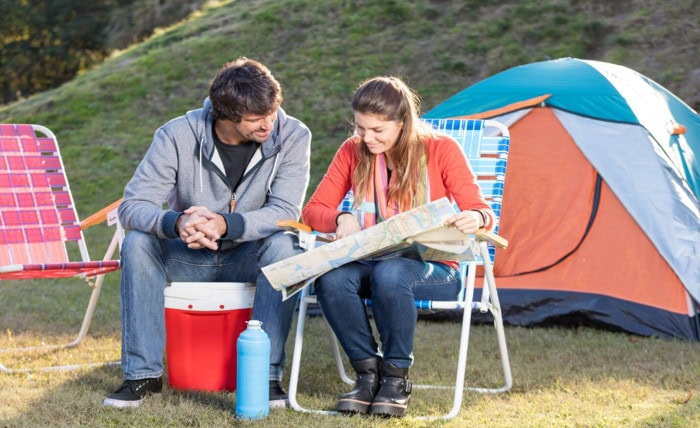
Heading north of Perth for a bush camping trip has a way of making everyday life feel a bit distant, which is half the charm. One minute you are fussing over emails or traffic on the Mitchell Freeway, the next you are staring at open country, saltbush, red dirt, and a sky that goes on forever. That shift can feel wonderfully simple, though the packing list can turn into a bit of a rabbit hole if you let it.
Out that way, around places like Lancelin, Moore River, Geraldton, or further up towards the Coral Coast, the conditions can change quickly. Mornings can be cool enough for a jumper. By afternoon, the heat may have you searching for shade like a crab looking for a rock. So a solid checklist is less about being overprepared and more about saving yourself from the classic camping grumble of, “Why on earth did I forget that?”
Start with the right vehicle setup
Before the tents, esky, and fold-out chairs, think about the car. Bush tracks, corrugated roads, and sandy pull-offs north of Perth can be rough on the wrong vehicle. A good SUV makes life easier, especially if you are carrying camping gear, food, water, and maybe a mate who packed three fishing rods and a kayak for some reason.
If you are heading away for a weekend or longer, the vehicle needs enough space to keep things organised rather than turned into a suitcase avalanche. Plenty of travellers look for cheap suv hire in Perth when they want room without blowing the budget. That makes sense, particularly when camping costs can creep up fast once you add fuel, park fees, ice, and the inevitable snack run in a small regional town.
Essentials for sleeping well outdoors
Tent and bedding
A tent that is quick to set up is worth its weight in gold, especially if you arrive tired or the light is fading. Choose one with proper ventilation, because Perth-side heat can hang around long after sunset. It is a special kind of misery waking up sticky and tangled in a sleeping bag that was far too ambitious for the season.
Pack the basics:
Tent with pegs, poles, and guy ropes
Groundsheet or tarp
Sleeping bags suited to the temperature
Sleeping mats, air mattresses, or camp stretchers
Pillows or compact alternatives
It is also smart to bring a repair kit for the tent. A ripped seam or bent peg can turn into a minor drama at the exact moment you would rather be thinking about marshmallows.
Warm layers for the night
Even in warmer months, the north of Perth can surprise you after dark. Pack a jumper, long pants, socks, and maybe a beanie if you are camping in winter. Coastal spots can feel breezy in a way that makes the word “mild” sound like a joke.
Food and cooking gear that actually makes sense
Camping meals do not have to be fancy. In fact, the best ones are often the ones that require minimal effort and do not leave you washing half the kitchen in a plastic tub. Keep meals simple, filling, and easy to store. Think sausages, wraps, pasta, breakfast cereal, fruit, and a few comfort snacks for when the afternoon turns lazy.
Cooking kit
Portable stove or BBQ
Gas canisters or fuel
Lighter or matches in a waterproof bag
Pot, pan, kettle, and cooking utensils
Plates, bowls, mugs, and cutlery
Chopping board and knife
Dish soap, sponge, and tea towel
An esky or portable fridge is a must if you are bringing meat, dairy, or drinks that should stay chilled. North of Perth, the heat can work on food quicker than you would expect, so ice blocks and a solid cold chain matter. Some people bring two eskies, one for food and one for drinks, which is not overkill at all if you value sanity.
Water and snacks
Water deserves its own mention because this is where many trips go sideways. Bring more than you think you need. Then bring a bit more. A good rule is to plan for drinking, cooking, washing, and a buffer for extra hot days or unexpected delays. Snacking helps too, especially when setting up camp after a long drive. Nuts, muesli bars, dried fruit, and crackers can save a lot of muttering.
Clothing that works for the WA outdoors
Western Australia camping can be a lesson in flexibility. The morning may feel crisp, midday can scorch, and the evening may bring a cool breeze that sneaks up on you. So pack in layers rather than one heavy outfit.
Lightweight shirts and shorts
Long sleeves for sun protection
Long pants for evenings and buggy areas
Closed shoes or boots for walking
Sandals or thongs for camp use
Hat with a brim
Sunglasses
Swimwear if you will be near the coast
The sun out that way can be fierce, even when the sky looks harmless. A hat and proper sunscreen are not fancy extras. They are plain sensible. Ask anyone who has spent one too many hours under the WA sun and looked like a tomato with regret.
Safety gear that earns its place
Bush camping north of Perth is usually relaxed, but remote country deserves respect. Mobile reception can be patchy, roads can be rough, and a small issue can become a big one if you are unprepared. A basic safety kit keeps things from becoming dramatic for the wrong reasons.
What to pack for safety
First aid kit
Torches or headlamps with spare batteries
Power bank and charging cables
Paper map or offline navigation app
Tyre gauge and tyre repair kit
Jump starter or jumper leads
Fire extinguisher
Emergency contact details
If you plan to drive on unsealed roads, check your spare tyre before leaving. It sounds obvious, yet plenty of people discover the spare is flatter than a pool noodle after a summer festival. A tyre inflator can also be handy, especially if you are heading onto sand or back onto the highway after time off-road.
Rubbish, washing up, and camp manners
Camping gets better when everyone leaves the place as they found it, maybe even cleaner. Bring rubbish bags, food scraps containers, and something to keep dirty dishes separate from clean gear. Some campsites north of Perth are remote enough that waste disposal is not exactly around the corner, so plan for that before you go.
A small washing-up basin, microfibre cloths, and biodegradable soap can make clean-up much easier. Nobody enjoys waking up to a sticky table full of sauce and sand. That combination has a way of attracting ants with impressive speed.
Small extras that make a big difference
The best camping trips often come down to the little things. Not the dramatic gear, but the tiny comforts that make camp life smoother. A fold-out table can save your back. A picnic rug can turn a patch of dirt into a decent sitting spot. A speaker, kept at a reasonable volume, can add a bit of atmosphere without turning the bush into a nightclub.
Handy extras to consider
Folding chairs and table
Picnic rug or mat
Book, cards, or board game
Camera or binoculars for wildlife spotting
Wet wipes and hand sanitiser
Insect repellent
Garbage clips or bungee cords
And yes, insect repellent matters. Mosquitoes and march flies can turn a lovely evening into a full-blown arms-flailing performance. A little prevention beats spending the whole night scratching like you have taken up a new hobby.
Make the drive north part of the adventure
One of the pleasures of camping north of Perth is that the drive itself feels like part of the trip. The landscape shifts, the pace drops, and suddenly the destination starts to matter less than the space between here and there. That is where good planning pays off. When the car is packed properly, the food is sorted, and the tent is ready, the whole journey feels lighter.
A thoughtful checklist does not just save space. It saves moods, too. It keeps the trip calm, practical, and far less likely to end with borrowed matches, warm drinks, and someone declaring they “totally had the mallet” while it is sitting at home on the garage shelf.
So keep it simple, pack with care, and give yourself enough room for the unexpected. The north of Perth has a knack for rewarding travellers who arrive prepared, even if they are still half-asleep and carrying a mug of instant coffee like it is sacred.