

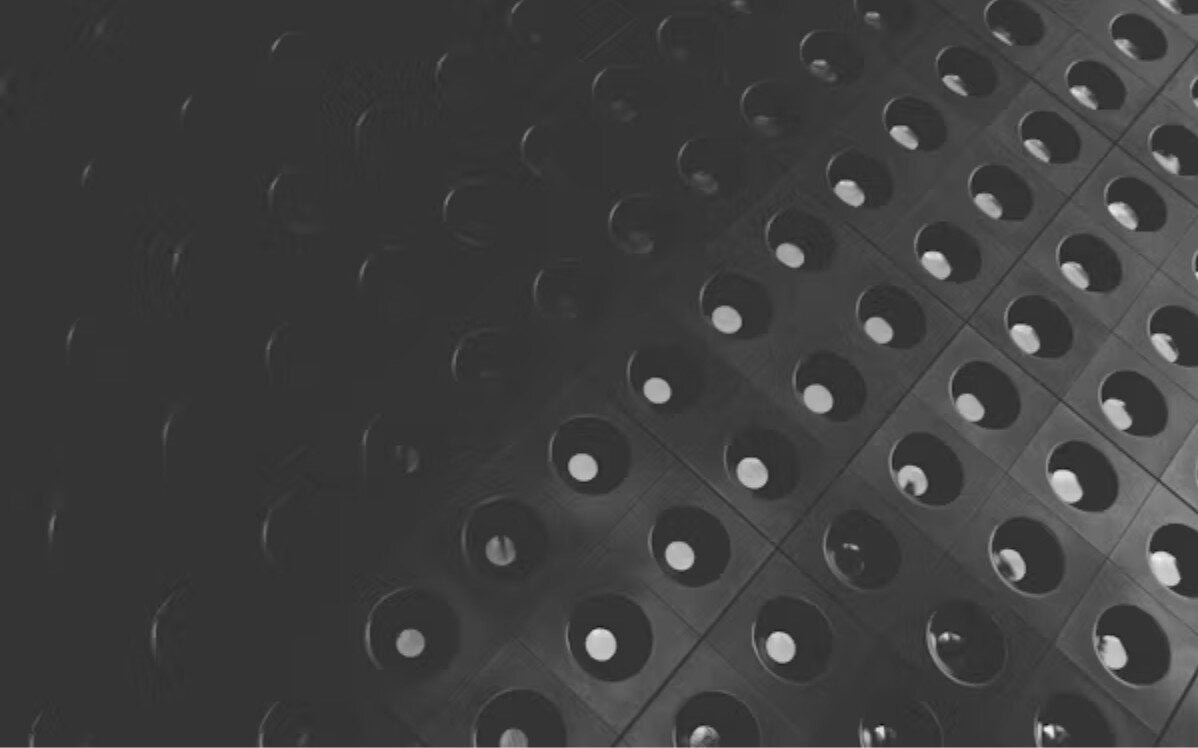
A modular drainage mat makes it easy to create a clean, safe, and dry walking surface in almost any setting. Whether you need flooring for a commercial kitchen, workshop, garage, pool area, or outdoor path, these mats can be arranged to match the available space. Their simple snap together design also saves time during installation. Competitor content consistently highlights drainage performance, easy installation, durability, slip resistance, customizable layouts, and multiple use cases as the key buying factors.
Another reason people choose these flooring systems is flexibility. A modular interlocking cushion can cover small corners, long walkways, or large work areas without requiring permanent flooring changes. As your workspace changes, the tiles can be removed, expanded, or rearranged with little effort.
How Modular Flooring Creates Flexible Layouts
Every workplace has a different floor plan. Fixed mats often leave uncovered gaps or become a tripping hazard. A modular drainage mat solves this problem because individual tiles connect securely while allowing you to create custom shapes.
You can build straight rows, square workstations, narrow pathways, or larger floor sections. If one section of the modular drainage mat becomes damaged, you only replace that tile instead of changing the complete floor. This reduces maintenance and keeps costs under control over time.
Best Places to Use a Modular Interlocking Cushion
A modular interlocking cushion works well in places where people stand for long periods or where water regularly reaches the floor. The raised design helps water move underneath while keeping the walking surface more comfortable.
Common locations include commercial kitchens, food preparation areas, warehouses, garages, workshops, laundry rooms, locker rooms, pool decks, gardens, and factory workstations. Many businesses also use them around equipment where workers need better footing during daily tasks.
Indoor Applications
Indoor areas benefit from improved traction and cleaner floors. Water and small debris pass through the openings instead of remaining on the walking surface.
The cushioned structure can also make standing more comfortable compared with hard concrete floors. This helps create a safer and more practical workspace.
Outdoor Applications
Outdoor flooring must handle rain, dirt, and changing weather conditions. Modular tiles allow water to drain instead of collecting on the surface.
They also work well around patios, garden paths, outdoor kitchens, washing stations, and entryways where moisture is common.

Important Features to Look For Before Buying
Not every drainage tile performs the same. Looking at a few key features helps you choose the right product for your environment.
Start with the material. Many quality drainage mats use durable polypropylene or flexible PVC depending on the application. Also check tile thickness, surface texture, drainage openings, and the locking system because these affect long term performance. Competitor products commonly emphasize durable materials, thicker construction, interlocking systems, drainage channels, and non slip surfaces.
How Drainage Improves Safety
Standing water creates slippery surfaces that increase the chance of accidents. A modular drainage mat lifts your feet above pooled water while allowing moisture to flow underneath the flooring.
Better drainage also helps reduce dirt buildup. In busy work environments, this makes cleaning easier and helps maintain a more organized appearance throughout the day.
Installation Is Simple and Fast
One of the biggest advantages of modular flooring is its quick installation. Most systems connect using built in locking tabs that snap securely into place without special tools.
If you need to cover an unusual shape, the outer tiles can often be trimmed to fit around corners or fixed equipment. This flexibility allows you to create a professional looking floor with minimal effort.
Choosing the Right Material for Your Environment
Different workplaces require different flooring materials. Polypropylene performs well in heavy duty environments because it offers strength and good structural support.
PVC options provide additional flexibility and comfort underfoot. They are often selected for areas where workers stand for longer periods or where extra cushioning is preferred.
Easy Maintenance Keeps Floors Looking Better
Daily maintenance usually requires only sweeping loose debris from the surface. For deeper cleaning, rinse the floor with water and allow the drainage channels to carry moisture away.
If oils or food spills occur, remove individual sections for cleaning before snapping them back into position. This modular approach makes maintenance much easier than replacing traditional floor coverings.
Comparing Traditional Mats with Modular Systems
Traditional mats often slide out of place or leave uncovered sections around equipment. They also become difficult to clean when water collects underneath.
A modular interlocking cushion stays connected across the entire floor. Since individual tiles lock together, the surface remains more stable during daily use while allowing future expansion if your workspace grows.
Mistakes to Avoid When Planning Your Floor
Many buyers only measure the center of the room. Always include corners, equipment bases, entrances, and workstations when calculating coverage.
Another common mistake is ignoring drainage direction. Planning where water naturally flows helps you create a more effective flooring layout that supports faster drainage and easier cleaning.
Finding the Right Size for Your Project
Measure both the length and width of your workspace before selecting the number of tiles. Remember to include extra material if you expect future expansion or want replacement pieces available later.
Many modular systems use standard tile sizes, making it easy to calculate total coverage. Since individual pieces connect together, you can expand the floor whenever your needs change.
Conclusion
A modular drainage mat provides a practical flooring solution for both residential and commercial environments where moisture, dirt, or heavy foot traffic are common. Its customizable layout, efficient drainage, and simple installation make it suitable for many different applications.
A modular interlocking cushion adds comfort while maintaining stable footing in wet conditions. Choosing quality materials, planning the layout carefully, and following simple maintenance steps will help you build a floor that remains useful for years.
FAQs
What is a modular drainage mat used for?
It helps move water away from the walking surface while providing better traction in wet or busy areas.
Can a modular interlocking cushion be cut to fit corners?
Yes. Many tiles can be trimmed to match unusual floor layouts.
Are modular drainage mats suitable for outdoor use?
Yes. They work well in patios, gardens, pool areas, and other locations exposed to rain.
How do you clean modular floor tiles?
Sweep away debris and rinse with water. Individual tiles can also be removed for deeper cleaning.
Can damaged tiles be replaced individually?
Yes. One of the biggest advantages of modular flooring is replacing only the affected tile instead of the entire floor.