

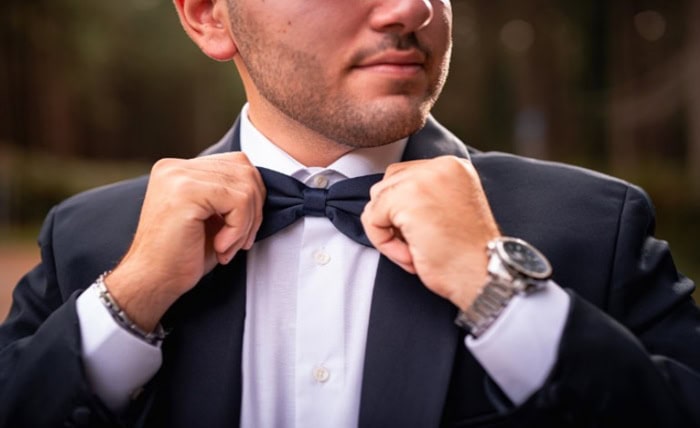
Formalwear has a funny habit. You can hang it in the closet for months, pull it out for one wedding or dinner, and suddenly it feels a little tired. The good news is you usually don’t need a whole new outfit. Small fixes can make a big difference. A better fit, a cleaner finish, or one updated accessory can wake everything up. Think of it like giving your suit or dress shirt a strong cup of coffee. Simple changes can help you look sharper without spending like royalty.
Why fit still matters
Fit is the secret sauce of formalwear. Even an expensive jacket can look awkward if the sleeves are too long or the shoulders slump like they’re having a bad day. When your clothes fit well, you look more polished and you feel more comfortable too. That matters at weddings, work dinners, and any event where you’d rather not tug at your collar all night.
Accessories count just as much. An older tie might still have great fabric, but if it looks dated or the length feels off, the whole outfit can suffer. That’s where Tiecrafters can make practical sense if you want to refresh a favorite tie instead of replacing it. Updating what already works is often smarter than starting from scratch.
Refresh what you own
Before you shop for anything new, give your current wardrobe a little attention. A lot of formalwear looks old simply because it’s wrinkled, dusty, or missing a button. Steaming a blazer, polishing dress shoes, and lint-rolling dark fabrics can make a surprising difference. It’s not glamorous, but it works. Fashion’s tiny cleanup crew deserves more credit.
Look closely at your shirts, trousers, ties, and jackets. Maybe the collar points are curling. Maybe the hem is dragging. Maybe that pocket square has been folded into a sad little blob. Small repairs and basic care can make these pieces feel current again. Dry cleaning can help sometimes, but don’t overdo it with delicate fabrics. Treat formalwear like the useful investment it is, not like a costume you only remember twice a year.
Fix common style issues
A lot of formalwear problems are easy to spot once you know what to look for. Wide old ties can make a modern suit feel stuck in another decade. Pants that puddle over your shoes can look messy. A shirt that balloons at the waist can ruin a clean shape, even if everything else is nice. It’s often less about the item itself and more about proportion.
Mismatched pieces are another common issue. You might have a sharp navy blazer but pair it with faded black trousers that don’t belong in the same conversation. Worn accessories can also drag things down fast. Scuffed shoes, fraying tie edges, or stretched shirt cuffs send a message, and it’s not a very glamorous one. For office events, dinners, or family celebrations, aim for clothes that work together quietly instead of competing for attention.
Small updates, big impact
You don’t need dramatic changes to make formalwear feel fresh. Sometimes the best upgrade is simply getting the length right. Jacket sleeves should show a bit of shirt cuff. Trouser hems should sit neatly without swallowing your shoes whole. These little details are easy to miss, but they shape the entire outfit.
Color coordination matters too. If your tie, shirt, and jacket all fight for the spotlight, your look can feel chaotic. Try one main color, one supporting color, and keep the rest simple. A crisp white shirt with a navy suit and a textured tie often beats a loud mix of trendy shades. Neat presentation also counts. Pressed fabric, clean shoes, and a properly folded pocket square can make affordable clothes look far more expensive. Tiny tweaks, giant glow-up.
When to repair instead
Repairing formalwear often makes more sense than replacing it, especially if the piece has quality fabric or personal meaning. Maybe it’s the tie you wore at your graduation, the blazer you bought for your first big job interview, or dress shoes that still have great leather. If the foundation is solid, a repair can stretch its life by years.
This is especially true for wardrobe staples. A good wool jacket with a loose seam is worth fixing. A silk tie with the right color and pattern may just need alteration or careful restoration. Replacing sentimental or well-made items can cost more and still leave you with something less special. If an item fits your style and only needs a little help, repair is often the wiser move. Your wallet may even clap politely.
Styling for real occasions
Refreshed formalwear shines most in real life, not just in mirror selfies. For interviews, you want clean lines, calm colors, and nothing distracting. A tailored jacket, polished shoes, and a neat tie can make you look prepared before you even speak. It’s not magic, but it’s close.
For weddings or graduations, you can loosen up a little while still looking sharp. A fresh shirt, adjusted trousers, and a revived accessory can make an older outfit feel event-ready. Date nights call for the same idea with a bit more personality. Maybe add a textured tie or a pocket square that doesn’t scream for attention. Holiday parties can handle richer colors like burgundy or deep green. The trick is making your clothes look intentional, not accidental. That alone does a lot of heavy lifting.
Build a smarter wardrobe
The smartest formal wardrobe usually isn’t the biggest one. It’s the one with fewer pieces that fit well, work together, and hold up over time. A solid blazer, versatile trousers, a couple of reliable shirts, one or two good ties, and dress shoes you actually maintain can cover a surprising number of occasions.
When you do buy something new, choose pieces that earn their spot. Neutral colors, quality fabric, and classic shapes tend to last longer than trend-heavy items. After that, maintenance matters. Hang your clothes properly, steam them when needed, and fix problems while they’re still small. A missing button is easier to solve than a full-on wardrobe meltdown five minutes before an event. If you keep things in good shape and make thoughtful updates, you can look sharp again and again without rebuilding everything from the ground up.